
Media List
Neural Pathways Favor Success
Leveraging neuroplasticity and mindfulness to establish new neural pathways aids in habit recovery and addiction overcoming.
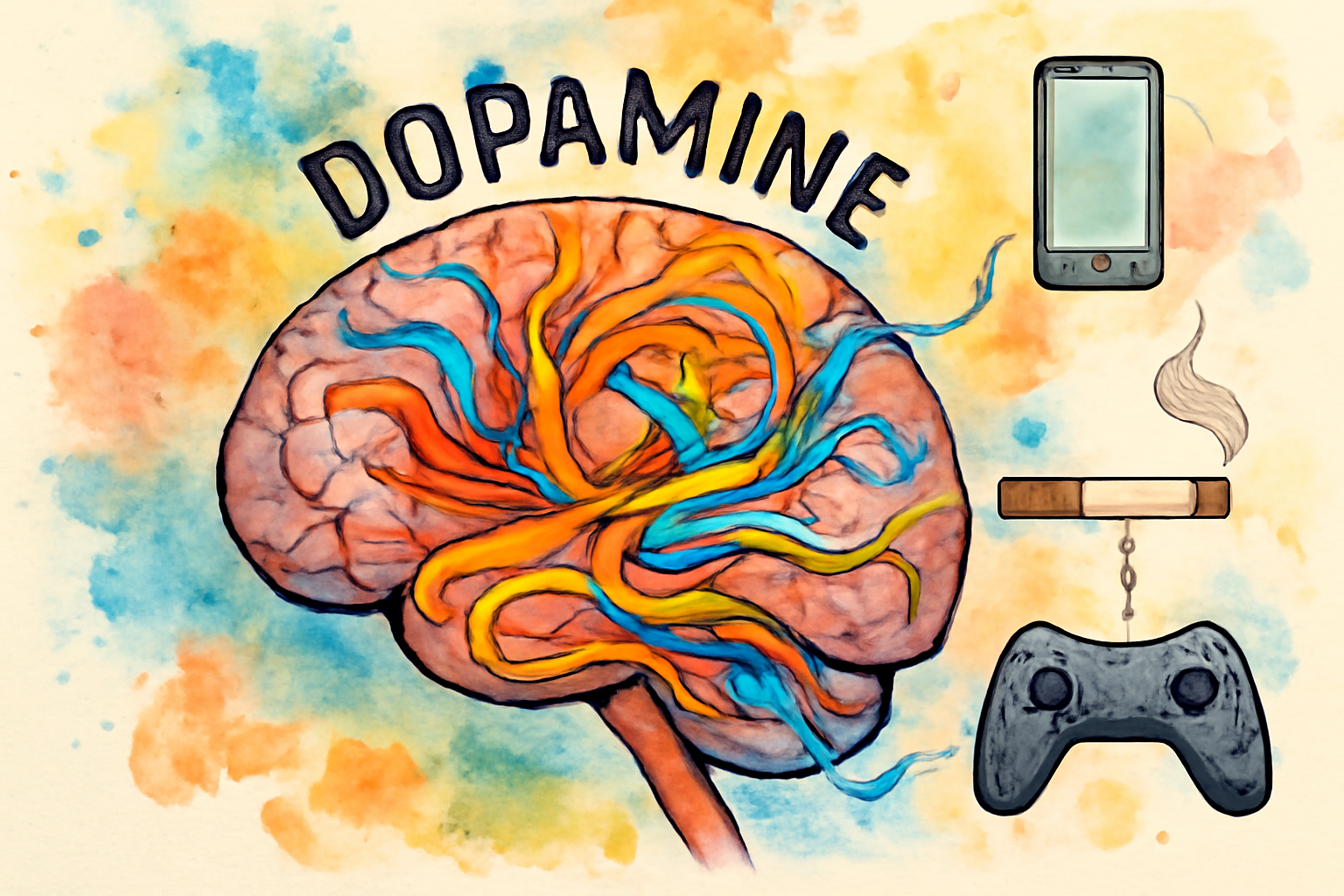
Each Habit Quits Differently
Explores tailored approaches for breaking substance-related and behavioral habits, emphasizing neurochemical, psychological, and social factors.
Hours Reclaimed From Bad Habits
A structured method involves self-assessment, goal setting, and substituting negative behaviors with productive activities to reclaim time and improve personal growth.

Mindfulness Defeats Cravings
Mindfulness reduces addiction cravings by fostering awareness, enhancing self-control, and diminishing stress.

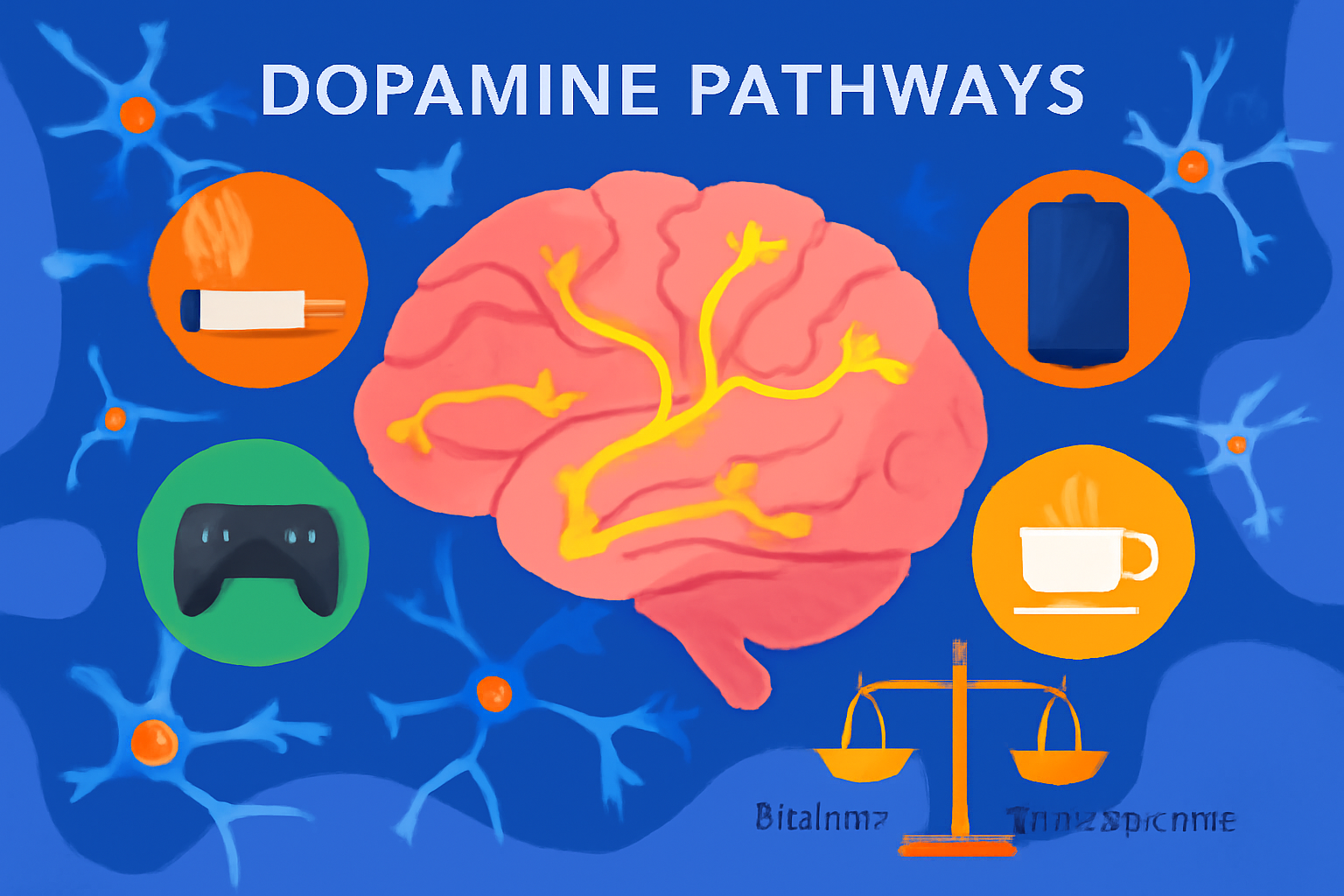
Reward Circuits Explained Simply
The reward circuits in the brain involve neurotransmitters like dopamine and critical regions such as the ventral tegmental area, nucleus accumbens, prefrontal cortex, and limbic system, impacting motivation, behavior, and addiction.
Midnight Snacks Sabotage Sleep Quality
Consuming food during late night hours disrupts circadian rhythms and impacts sleep quality through altered melatonin production, increased core temperature, and blood sugar fluctuations.

Action Beats Delay Every Time
Taking immediate action in breaking habits and recovering from addiction enhances neuroplasticity and disrupts entrenched neural pathways.
Smartphone Grip Loosens Here
Investigating how loosened grip on smartphones indicates disinterest, aiding addiction intervention.

Quit Smoking, Save $47,000
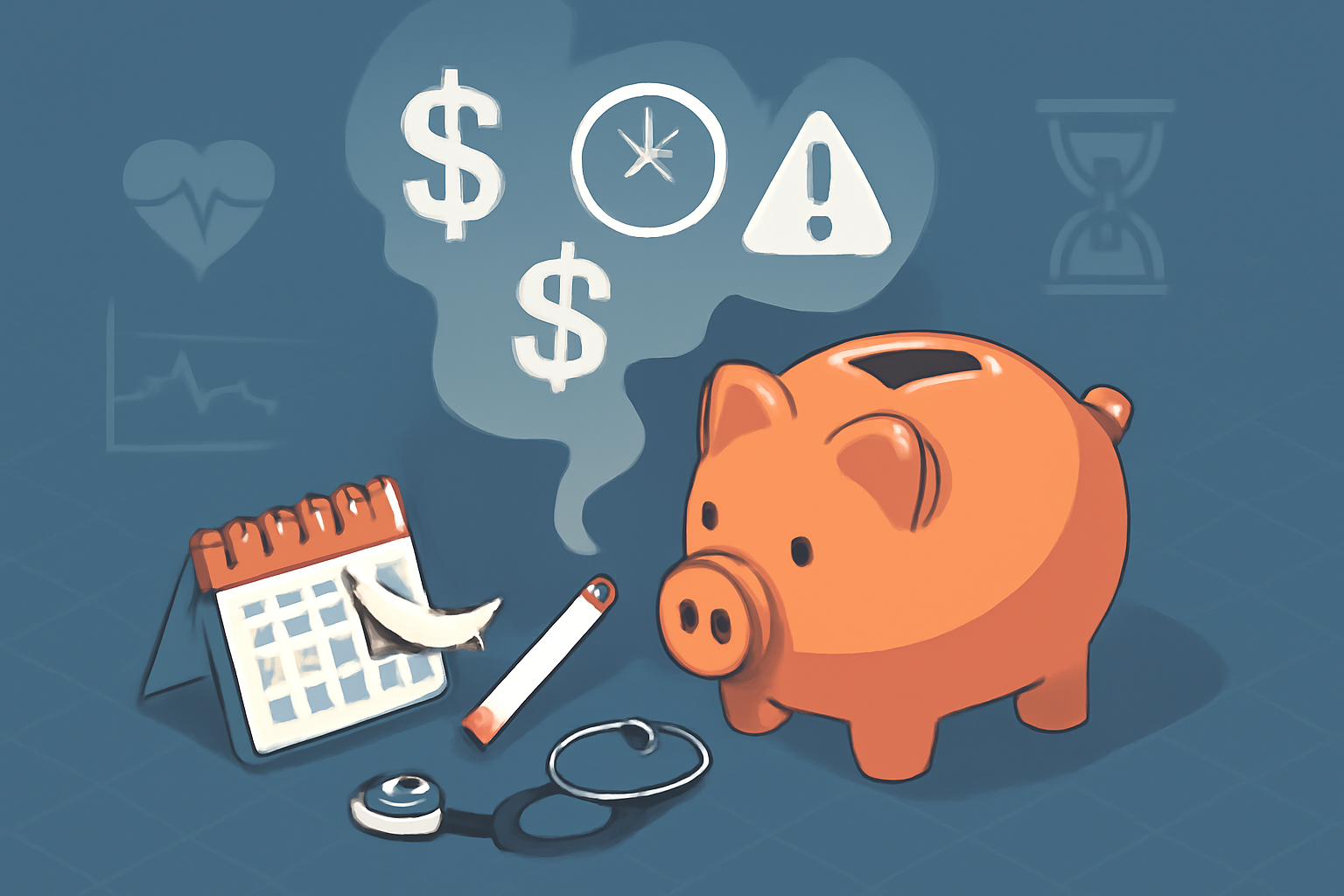
Quitting smoking reduces direct expenses on cigarettes and lowers medical costs, offering significant long-term financial savings.

Gaming Drains More Than Time
Excessive gaming affects physical health, mental wellness, social relationships, and cognitive functions, leading to issues such as obesity, stress, isolation, and decreased focus.

Stay Strong When Temptation Strikes
Explore cognitive and behavioral strategies to manage cravings and develop a supportive environment for overcoming temptation.

Your First Week Without
The first week without an addictive substance involves physiological and psychological adjustments due to withdrawal symptoms and neurotransmitter recalibration, demanding strategic support and new routines for successful recovery.

Feel Better After Ditching Bad Habits
Quitting detrimental habits leads to improved physical, mental, emotional, and social well-being.

Phone-Free Living Starts Now
The strategy involves recognizing phone use triggers, setting boundaries, using monitoring tools, and fostering alternative activities for sustainable phone usage reduction.

Dopamine Hacks That Actually Work
Techniques like regular exercise, quality sleep, and diet help sustainably optimize dopamine levels for improved motivation, focus, and addiction recovery.

Sugar Freedom in 30 Days
Structured plan eliminating added sugars while embracing whole foods to curb cravings and stabilize insulin levels.

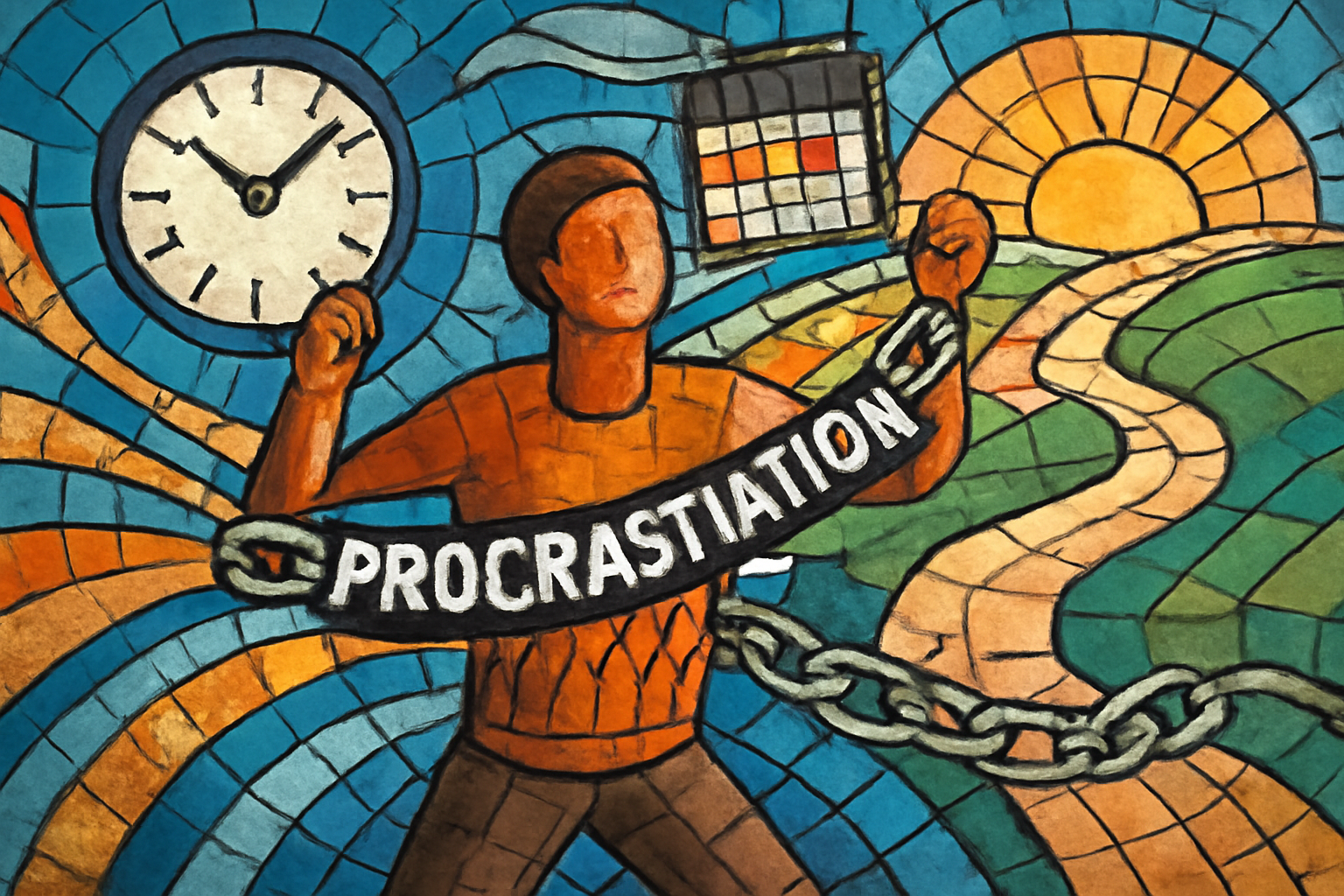
Breaking Procrastination: From Delay to Action
Procrastination is linked to psychological factors like fear of failure and low motivation, with strategies such as goal setting and task prioritization helping to overcome it.

How Gaming Addiction Affects Sleep and Mental Health
Excessive gaming can cause sleep disruption and mental health issues, requiring balanced lifestyle changes and professional help.

The True Cost of Smoking: A Comprehensive Breakdown
Comprehensive analysis of smoking's impact on health, financial, environmental, social, opportunity, and psychological costs.
This content is for entertainment and technical demonstration only and may be flawed, incomplete or outdated. Always consult a qualified professional for information and decisions. Content is provided “as is” without warranties of any kind. Use at your own risk. We're not responsible for any loss or damage from use or reliance.