
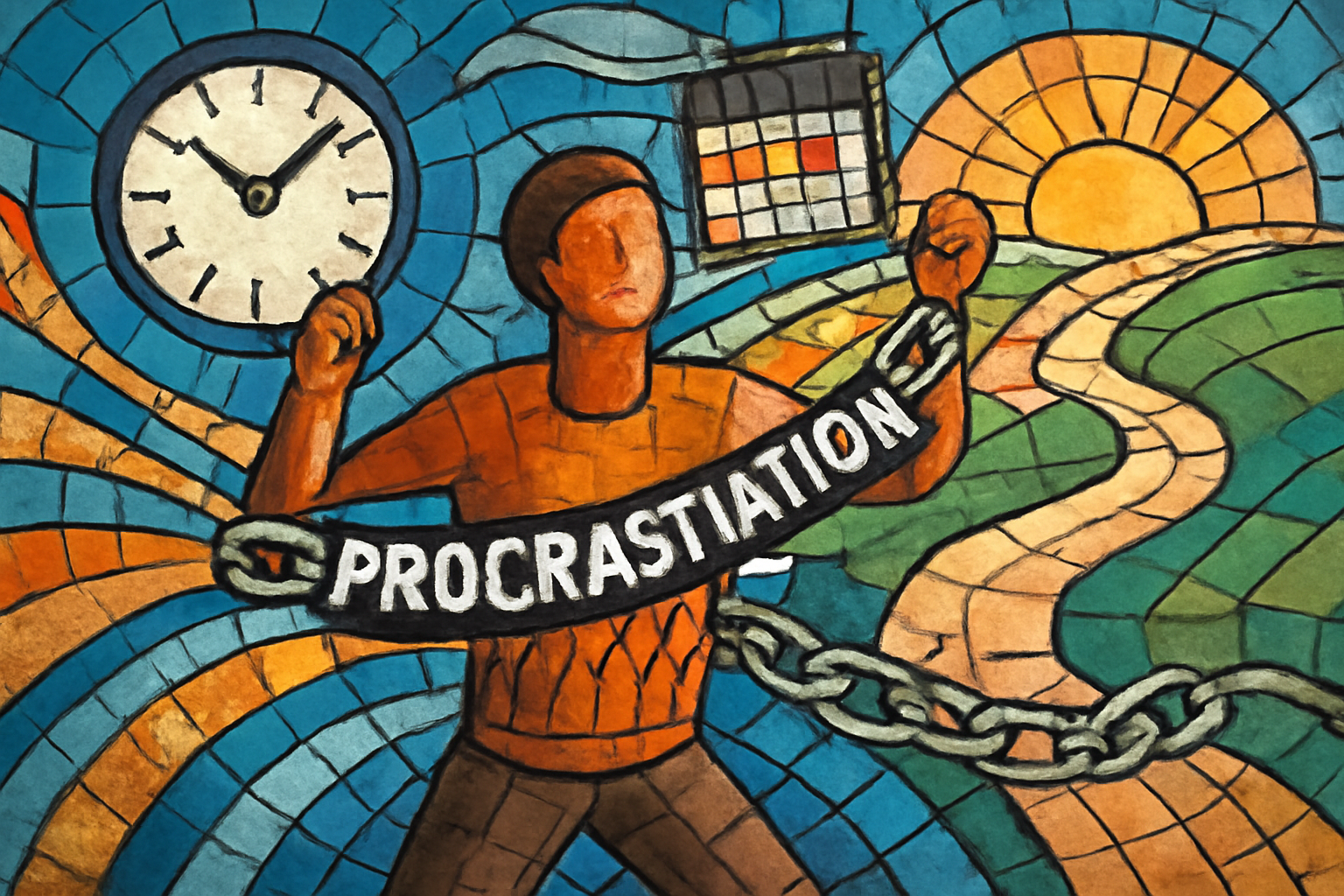
Immediate action in breaking habits and recovering from addiction is crucial as it circumvents procrastination and the accompanying cognitive dissonance. Procrastination often masks itself as a need for more preparation or perfect timing. However, decisive action interrupts entrenched neural pathways that sustain addictive behaviors. The sooner an individual acts, the quicker these pathways can begin to degrade, allowing new, healthier habits to form.
Additionally, taking immediate action enhances neuroplasticity, the brain’s ability to reorganize itself by forming new neural connections. This realignment occurs faster with repeated actions that reinforce positive behavior change. Delaying action tends to strengthen existing pathways, making recovery more challenging.
Immediate intervention also allows for the introduction of support systems, such as therapy or community support groups. Engaging with these resources enhances accountability and provides external motivation, increasing the likelihood of successful recovery. Conversely, delay can decrease the effectiveness of intervention strategies by allowing the addictive behavior to further entrench itself, making change more daunting.
In addiction recovery, the overall effectiveness of interventions is significantly higher when strategies are implemented without delay. This immediacy empowers individuals to leverage the brain's capacity for change actively and capitalize on the momentum of decision. Therefore, action not only disrupts the status quo of addiction but also initiates a forward momentum toward sustained recovery.