
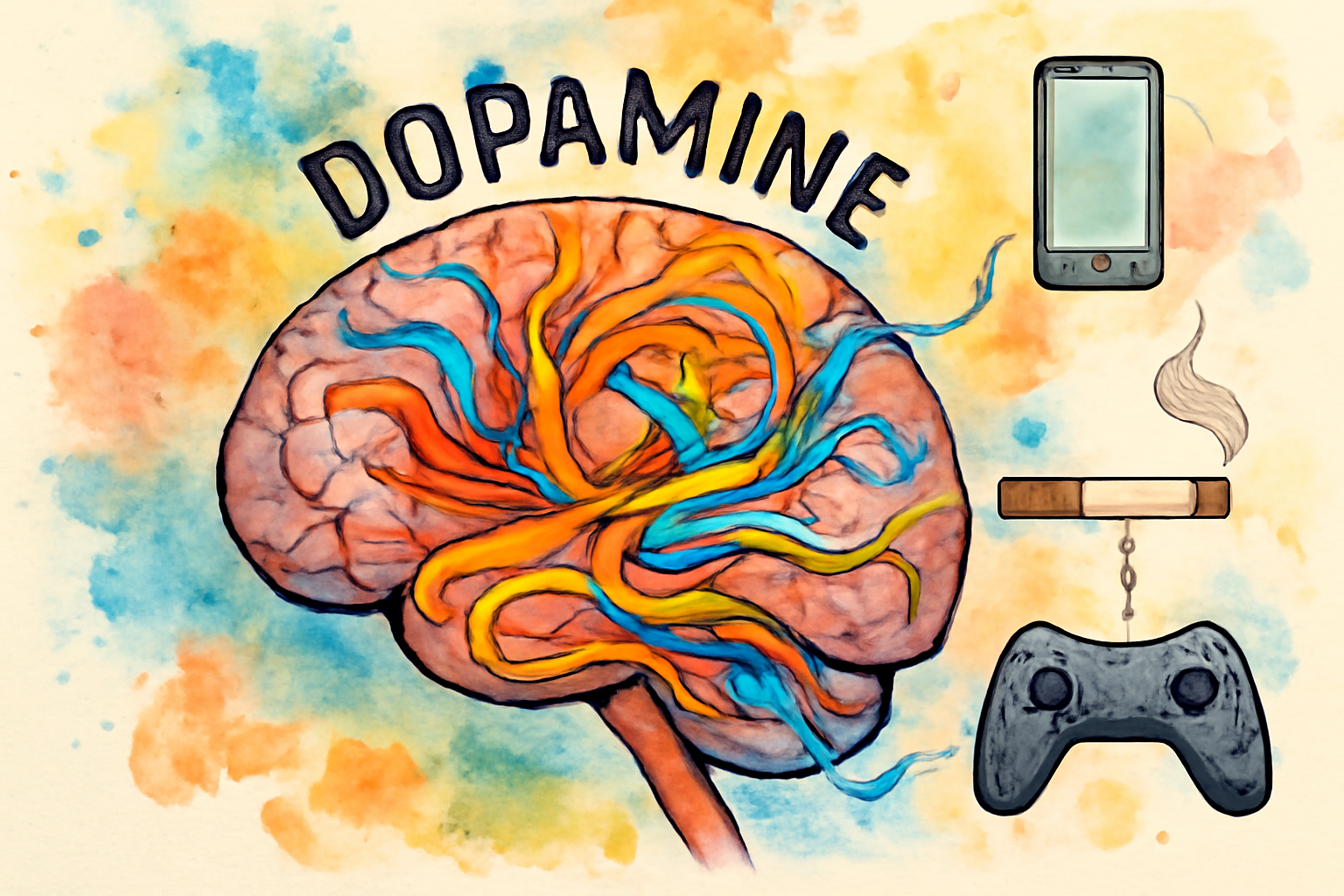
Understanding and leveraging neural pathways is critical for fostering success in overcoming addiction and breaking habits. Neural pathways are collections of neurons that transmit signals between different regions of the brain. During habitual behaviors, specific neural circuits become more efficient through repeated activation, making these behaviors easier to perform without conscious thought.
To facilitate positive change, it is essential to establish and reinforce new neural pathways that support desired behaviors. Neuroplasticity, the brain's ability to reorganize itself, enables the formation of these new pathways. This process is driven by consistent practice and repetition, which strengthens synaptic connections.
Mindfulness and cognitive-behavioral techniques can be pivotal in disrupting detrimental pathways and forming advantageous ones. Mindfulness promotes awareness and self-regulation, reducing automaticity of undesirable behaviors. Cognitive-behavioral techniques help in identifying and restructuring cognitive distortions and maladaptive beliefs, targeting the root of addictive behaviors.
Physical exercise and adequate sleep are instrumental in enhancing neuroplasticity. Regular physical activity increases the production of neurotrophic factors, which aid in the development of new synapses. Adequate sleep, specifically REM sleep, is vital for synaptic pruning and consolidation of new neural pathways.
Furthermore, engaging in mentally stimulating activities can encourage the brain to form and maintain new pathways. Challenging tasks, problem-solving, and learning new skills can enhance cognitive flexibility and resilience, contributing to successful habit-breaking and addiction recovery.
The strategic creation and strengthening of these neural pathways can significantly tilt the balance towards success in habit modulation and recovery processes. Sustained behavioral changes are more likely when individuals consciously engage in activities that promote neural growth and adaptation.