
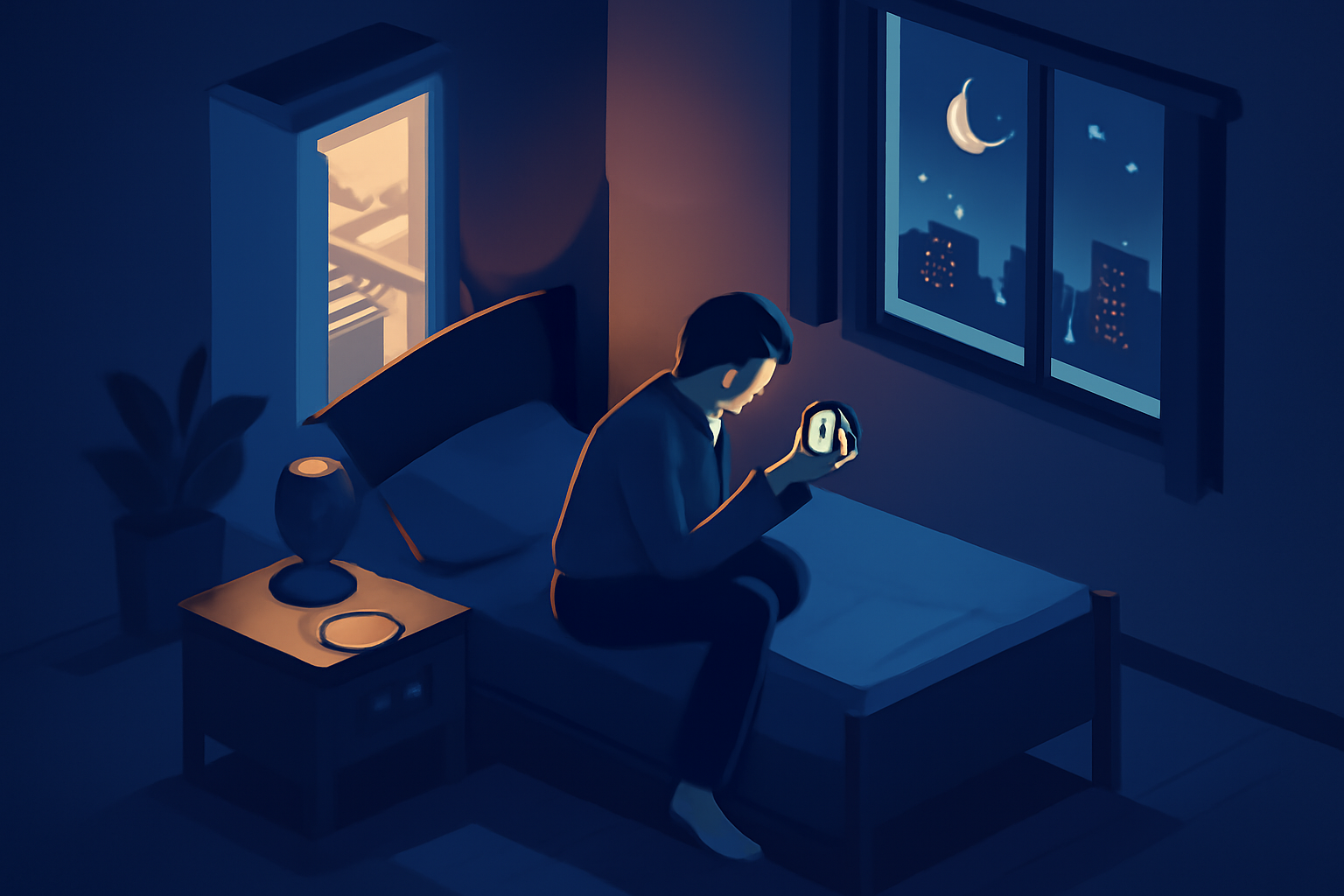
Consuming food during late night hours can disrupt circadian rhythms, thereby negatively impacting sleep quality. Circadian rhythms are physical, mental, and behavioral changes that follow a daily cycle, responding primarily to light and darkness in an organism's environment. Eating at night can interfere with these rhythms by altering melatonin production, a hormone that regulates sleep-wake cycles.
Late-night eating is often associated with increased caloric intake and choice of foods high in sugar and unhealthy fats, which can exacerbate sleep disruption. Foods that are rich in fat can delay gastric emptying and impair digestion, leading to discomfort and fragmented sleep patterns.
Additionally, the body's core temperature, which naturally decreases at night to facilitate sleep, can be elevated by late-night eating, causing sleep impairment. This temperature increase results from the body's metabolic processes required to digest food, disrupting the natural drop in temperature needed for sleep induction.
Nighttime eating can also induce acid reflux, especially when lying down soon after a meal, further impairing sleep due to discomfort.
Another factor is the impact on blood sugar levels. Consumption of high-carbohydrate or high-sugar snacks can cause fluctuations in blood sugar that may lead to awakenings during the night. Stable blood sugar levels are important for maintaining continuous, restful sleep.
To preserve sleep quality, it is advisable to maintain regular eating schedules that align more closely with daylight hours, allowing the body's natural rhythms to support better sleep. Reducing or eliminating late-night eating can be a beneficial strategy in improving overall sleep health.