
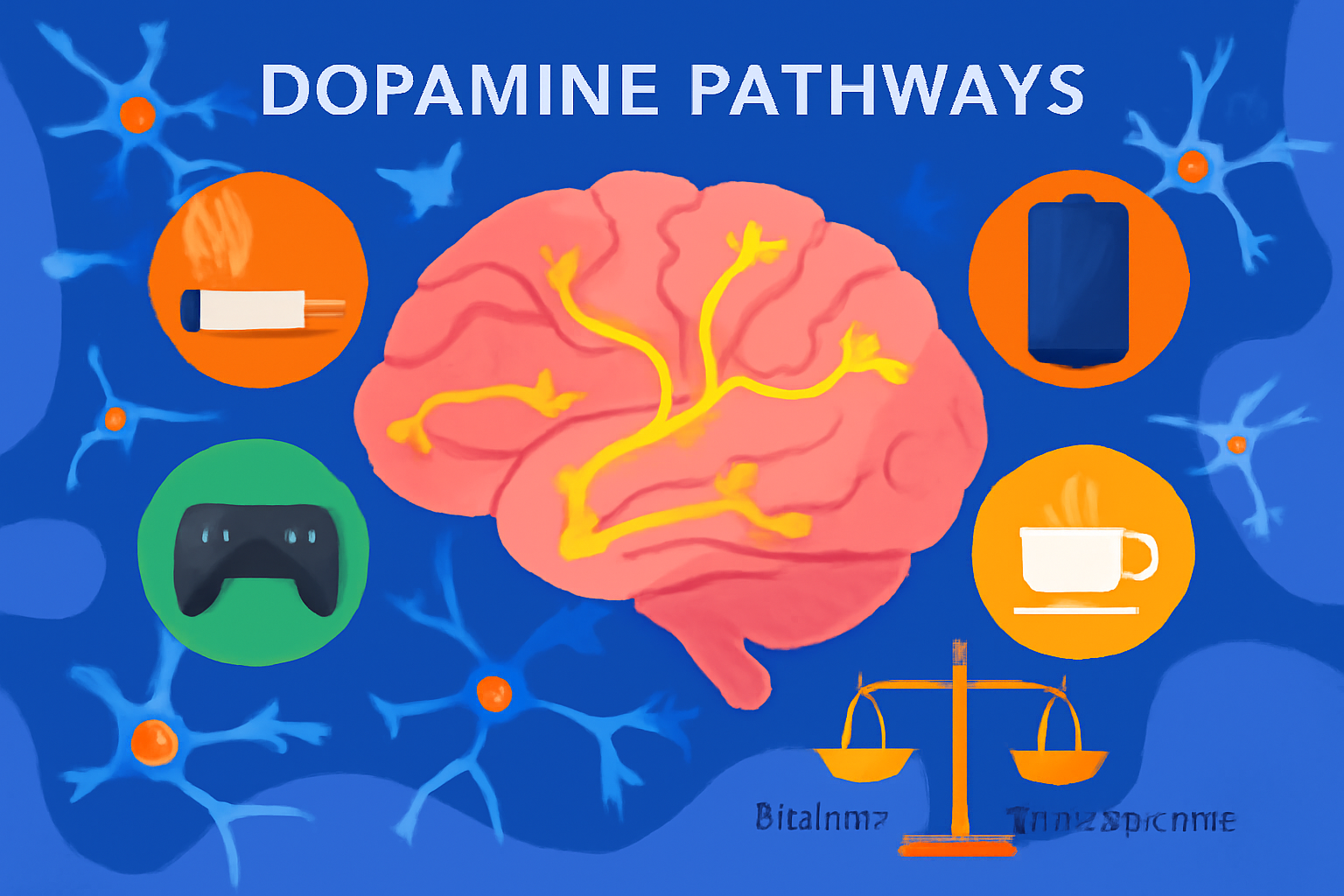
The reward circuits in the brain are primarily structured around a series of neural pathways that involve neurotransmitters, predominantly dopamine. The ventral tegmental area (VTA) plays a critical role in initiating the reward circuit. Neurons in this area release dopamine, projecting it to various brain regions, most notably the nucleus accumbens.
The nucleus accumbens is integral in processing rewards and motivation. When dopamine is released into this area, it produces feelings of pleasure and reinforces behaviors by making them more desirable, a process known as reinforcement.
The prefrontal cortex is another crucial component of the reward circuitry, allowing for higher-order executive functions and decision-making. It helps evaluate the significance and consequences of a reward. The limbic system also plays an essential role, integrating emotional responses with the expected rewards.
Disruptions or alterations in these circuits can significantly impact behavior and are often associated with addiction and mood disorders. For example, addictive substances can hijack these pathways, leading to elevated dopamine levels and intensifying the desire for repeated drug use. Understanding these pathways provides essential insights into behavioral motivations and potential therapeutic targets for addiction.
The reward circuit's optimal functioning is crucial for maintaining balance between motivation, reward anticipation, behavior reinforcement, and emotional regulation.